Termites operate quietly, often causing damage long before visible signs appear. When early indicators surface, many homeowners attempt to handle the issue themselves, assuming store-bought products or online advice will be enough. From a professional perspective, this is where problems often begin. DIY efforts rarely address the full scope of termite activity, allowing colonies to survive and continue damaging structural wood.
Effective termite treatment depends on accurate identification, thorough inspection, and an understanding of termite behavior. Without these elements, even well-intentioned efforts can fall short. Recognizing common mistakes helps explain why infestations frequently persist after do-it-yourself attempts.
Misidentifying Termite Activity
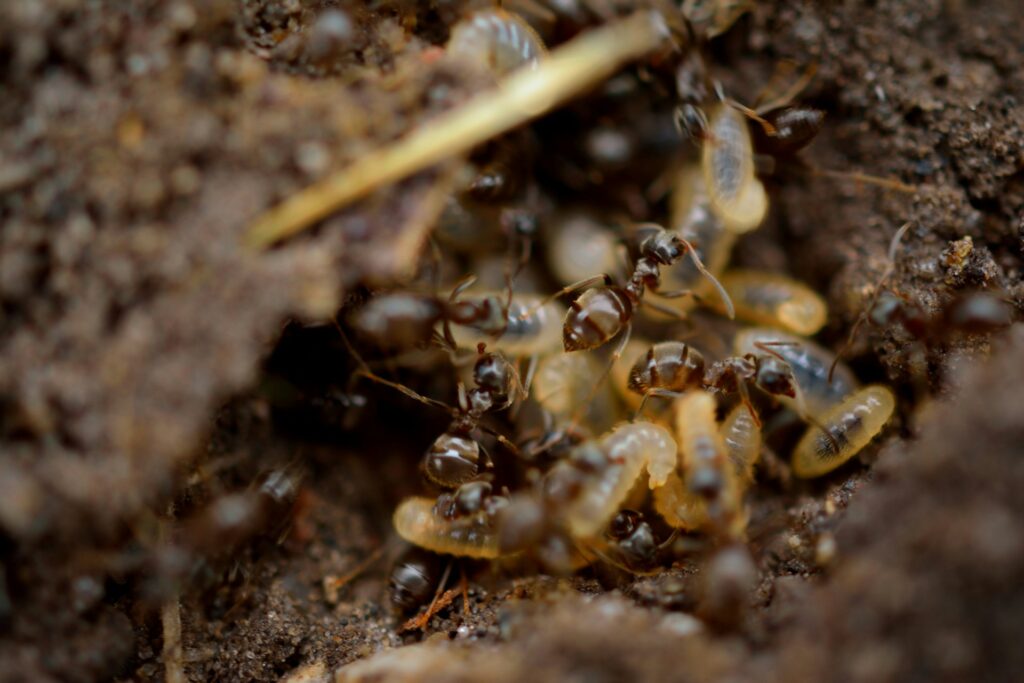
One of the most frequent errors in DIY termite treatment is assuming all wood damage or insect sightings are caused by termites. Different pests leave different evidence, and confusing one for another can lead to ineffective responses.
Common missteps include:
- Mistaking ants for termites, especially during swarm season when winged insects appear indoors.
- Assuming visible damage shows the full extent of activity, when termites often work behind walls and beneath floors.
- Overlooking moisture-related clues, such as soft wood or bubbling paint, that point to deeper conditions.
- Failing to identify the termite species, which directly affects how infestations behave and spread.
Environmental factors play a major role in termite behavior. Moisture and climate conditions can accelerate colony growth and movement, as explained in moisture and climate factors. Without understanding these drivers, treatments may focus on the wrong areas or miss active zones entirely.
Relying on Surface-Level Treatments
DIY termite treatment often focuses on what can be seen. Sprays, foams, and spot treatments are applied to exposed wood or visible insects. While this may kill termites on contact, it rarely impacts the colony as a whole.
Surface-focused approaches fall short because:
- Termite colonies extend far beyond visible damage, often deep into soil or structural voids.
- Killing workers does not eliminate the reproductive core, allowing colonies to rebound quickly.
- Barrier gaps remain undetected, giving termites alternate routes back into the structure.
- Products are applied inconsistently, reducing their ability to interrupt termite activity long-term.
Professional strategies are designed to intercept termites where they travel and feed, not just where damage appears. Without that depth, DIY efforts may offer temporary reassurance while the infestation continues unseen.
Underestimating the Role of Moisture and Conditions
Termites thrive in environments that support moisture, shelter, and steady food sources. DIY approaches often ignore these contributing factors, focusing solely on applying products rather than correcting conditions.
Professionals routinely see these overlooked issues:
- Unaddressed leaks or drainage problems that keep wood damp and attractive.
- Soil to wood contact that creates direct access points.
- Poor ventilation in crawlspaces that allows moisture to linger.
- Landscaping and mulch placement that conceals termite entry paths.
Misunderstandings about termite behavior also contribute to ineffective responses. Many homeowners assume termites only invade old or neglected homes, but that belief can delay action. A clearer view of common misconceptions is covered in the termite misconception guide, which helps explain why termites can affect a wide range of properties and conditions.
Applying Products Without a Long-Term Plan
DIY termite treatment is often reactive. Products are applied when damage is noticed, then forgotten once activity seems to slow. This lack of planning allows colonies to recover or new ones to establish nearby.
Key planning gaps include:
- No follow-up inspections to confirm whether activity has truly stopped.
- Lack of monitoring tools that detect ongoing or returning infestations.
- No integration of exclusion or repairs to prevent reentry.
- Inconsistent application timing, which reduces effectiveness.
Termite management works best as a system rather than a one-time action. Without monitoring and adjustment, DIY treatments can create a false sense of resolution while damage continues gradually.
Why Professional Assessment Changes Outcomes
Termites are persistent by nature, and managing them requires more than product selection. Professional assessment combines inspection, identification, environmental evaluation, and documented follow-up. This structure allows treatments to be adjusted as conditions change and ensures that infestations are addressed at their source.
From an expert standpoint, professional involvement does not rely on guesswork. Decisions are based on evidence, species behavior, and property-specific factors. This reduces unnecessary applications and focuses efforts where they have a lasting impact. Over time, this approach limits structural risk and avoids repeated cycles of damage and repair.
While DIY termite treatment may seem cost-effective initially, incomplete control often leads to higher expenses later. Missed colonies, ongoing moisture issues, and delayed detection all contribute to escalating damage. A planned approach prioritizes efficiency and protection rather than short-term fixes.
When Precision Matters Most
Termite issues benefit from informed evaluation and structured planning. For homeowners seeking clarity and effective solutions, connecting with experienced professionals helps protect both property and peace of mind. Contact Bad Termite to start a conversation focused on accurate assessment and long-term protection.